
Est. 2006
Where Mormonism Meets Biblical Christianity, Face to Face
The largest video database of independent LDS commentary from a biblical perspective. Hosted by Shawn McCraney on live TV and YouTube since 2006.
About the Show
Heart of the Matter
Heart of the Matter (HOTM) is a decades-long, public exploration of Mormonism, Christianity, and the fulfilled faith in Yeshua, created and hosted by independent biblical philosopher Shawn McCraney.
Since 2006, HOTM has served as a place where Latter-day Saints, former believers, Christians, and spiritual seekers can openly examine doctrine, question long-held assumptions, and explore what a direct, personal walk with Christ looks like outside institutional religion. Through thousands of hours of teaching, live broadcasts, debates, conversations, and verse-by-verse study, HOTM has become a unique space where seekers can investigate God, scripture, and faith without pressure to join a church, accept authority, or belong to a system.
Current Series
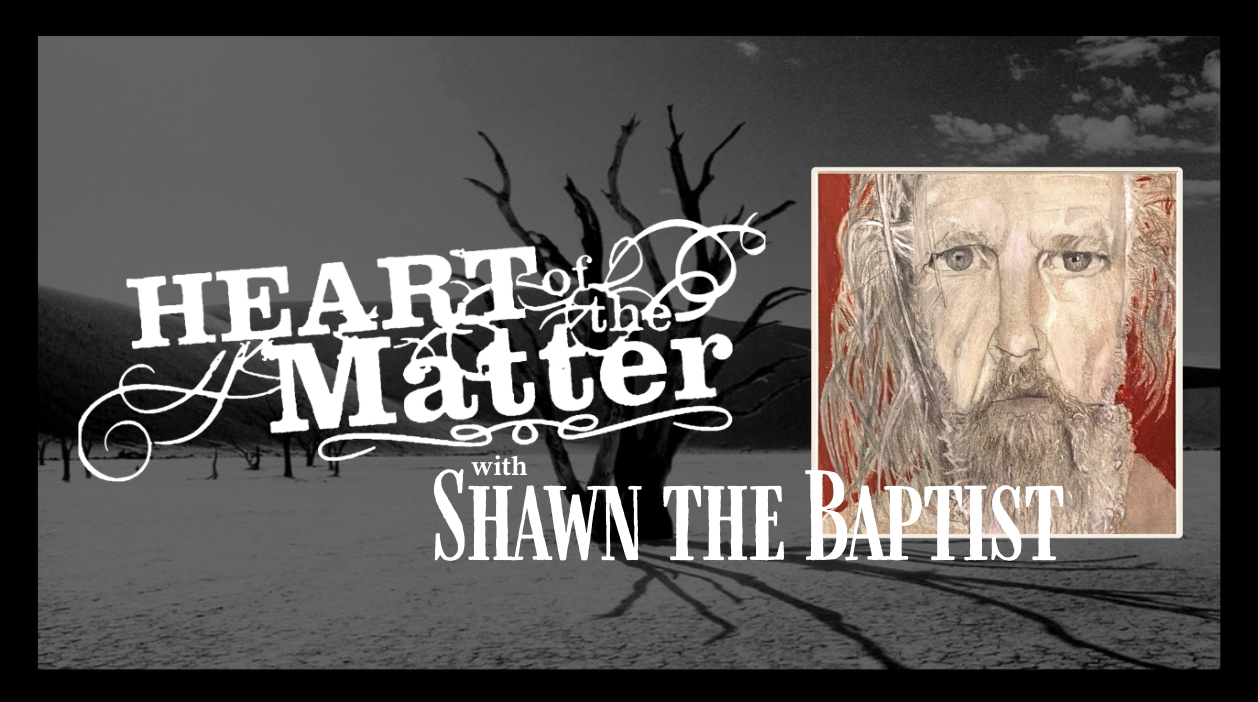
Shawn the Baptist
The latest series from Heart of the Matter -1 episode and counting.
Watch NowThe Archive
Every Series, Every Episode
Twenty years of broadcasting, organized by series. Pick up anywhere.

Latest
Recent Episodes
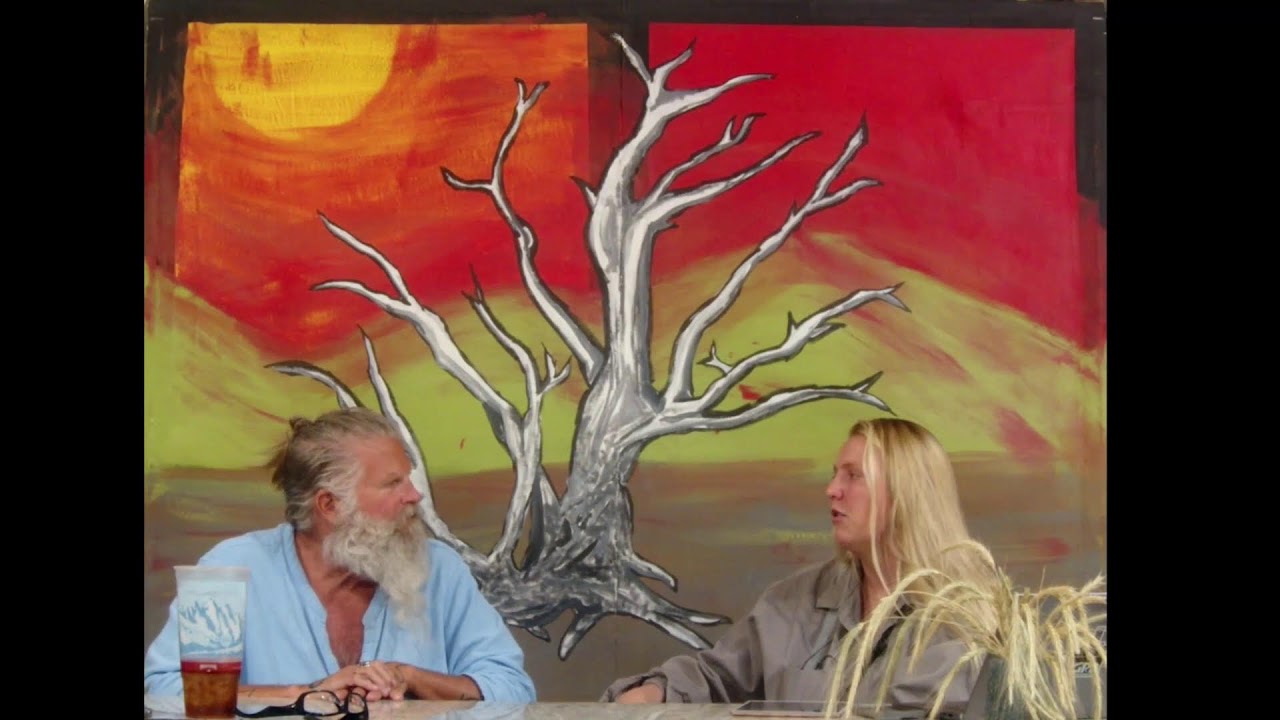
A message of encouragement
Jun 16, 2026
Our Last Epiphany
Jun 9, 2026
Faithful LDS Experience Less Pain
Jun 2, 2026
Yeshuans Ministry Update & Intent
May 26, 2026
Why are we so misread?
May 19, 2026
Shawn the Baptist
May 12, 2026
The Cancer of Christian Nationalism in the Body of Christ
May 5, 2026
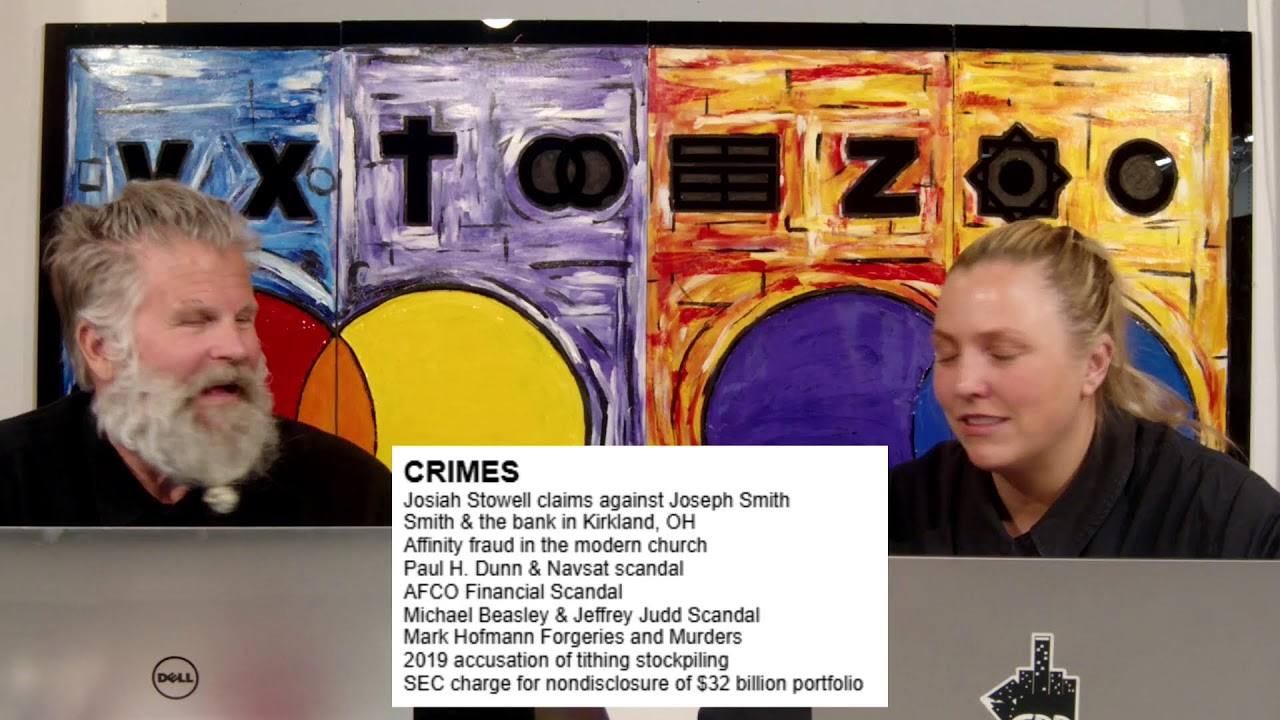
VIOLENCE: More LDS Bad Fruit
Apr 28, 2026
Go Deeper
HOTM Is the Doorway
The show is where it starts. The library, the books, and the community are where it grows.
Search the Library
Full-text search across every episode, teaching, and book in the archive. Find exactly what you heard or discover something new.
Search nowJoin Yeshuans
The home base for everything Shawn McCraney teaches. Courses, community forums, reading plans, and the full content library.
Visit YeshuansBooks
Shawn's published works -on Mormonism, biblical faith, and the Christian life outside institutional religion.
Browse books